
matrimoine
alejandra charry,
¡Ya Voy !
by/par ·pointbreak
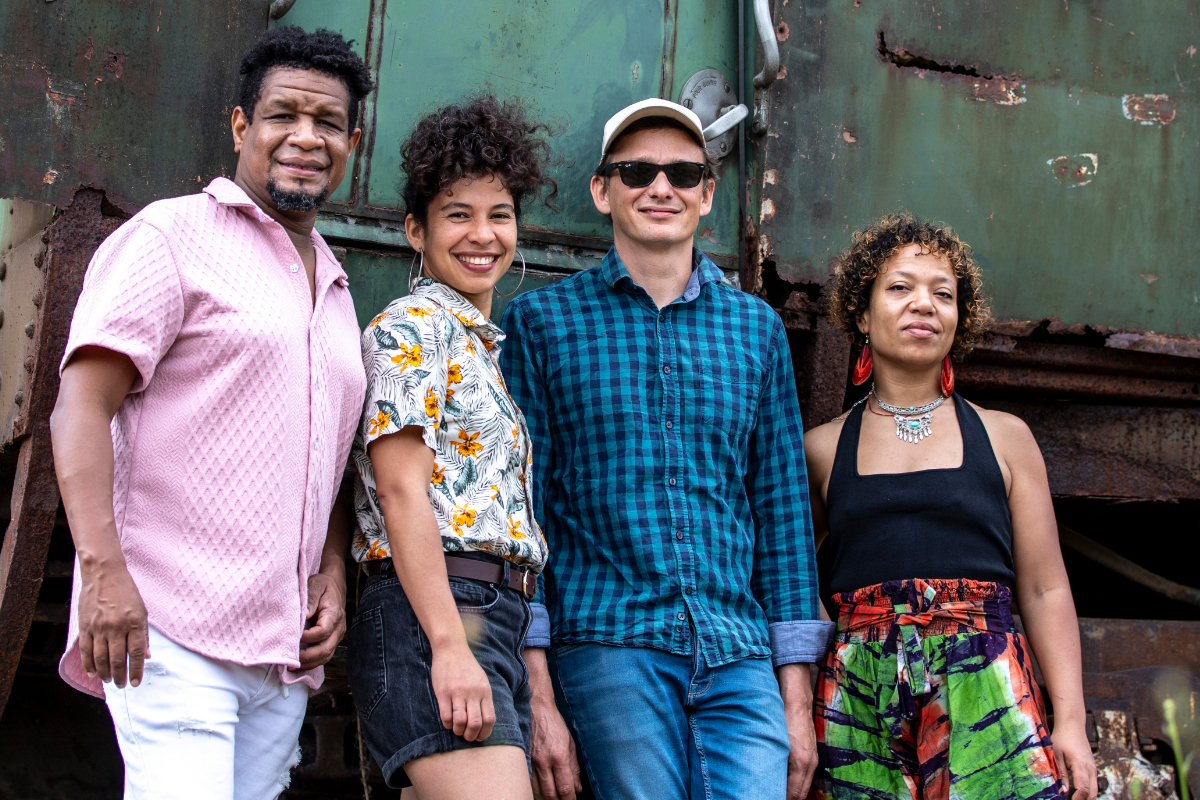
¡Ya Voy ! Moises Zamora Mezu, Alejandra Charry, Thibault Cellier & Sakina Abdou © Jacky Cellier
retrouvez les infos du concert de ¡Ya Voy ! en cliquant ici
— more details about ¡Ya Voy ! to be found here
Alejandra Charry Caicedo est née en Colombie à Cali et s’installe en France en 2004. Passionnée de chant, de musique traditionnelle colombienne ; elle décide de s’y consacrer en collaborant avec différents groupes de la région lyonnaise, notamment, The Bongohop, Bambazu, Nimalaye ou encore Pixvae. En marge de la tournée hivernale de ¡Ya Voy !, la chanteuse a confié au magazine ·pointbreak, pour le numéro 9 de sa version papier, quelques pierres angulaires posées sur son parcours d’artiste.
Alejandra Charry Caicedo was born in Cali, Colombia. She moved to France in 2004. Passionate about singing and traditional Colombian music, she decided to devote herself to this by collaborating with various groups in the Lyon region, including The Bongohop, Bambazu, Nimalaye, and Pixvae. On the sidelines of ¡Ya Voy!’s winter tour, the singer shared some of the milestones in her artistic path with pointbreak magazine for the ninth issue of its print edition.
nidia
góngora
andrea
caicedo
petrona
martínez
etelvina
maldonado
la salsa
Ce n’est pas une chanteuse, mais le moyen par lequel la musique est venue me caresser. J’avais entre cinq et six ans lorsqu’elle est entrée dans mon corps de manière instinctive. Mon père me faisait danser avec mon frère à la maison, la musique à fond. On dansait sans se poser de questions, car le corps construisait sa propre musique à partir des rythmes que nous entendions. En Colombie, la salsa est une institution, surtout à Cali, d’où je viens. À mon époque, tout le monde devait savoir danser ; ne pas savoir le faire était presque une déception. Par la danse, on entrait en contact avec l’autre : notre premier réflexe était la danse, avant même la parole, bien que nous soyons une culture très orale. Je ne comprenais pas comment une musique pouvait provoquer un tel état de transe et de joie extrême. Aujourd’hui encore, elle continue à me faire cet effet et demeure une compagne fidèle.
salsa
Not a singer, but the means by which music came to touch me. I was between five and six years old when it instinctively entered my body. My father used to make me and my brother dance at home, with the music blaring. We danced without thinking, because our bodies created their own music from the rhythms we heard. In Colombia, salsa is an institution, especially in Cali, where I come from. In my day, everyone had to know how to dance ; not knowing how to do so was almost a disappointment. Through dance, we connected with each other : our first reflex was to dance, even before speaking, even though we are a very oral culture. I didn’t understand how music could induce such a state of trance and extreme joy. Even today, it continues to have that effect on me and remains a faithful companion.
oumou
sangaré
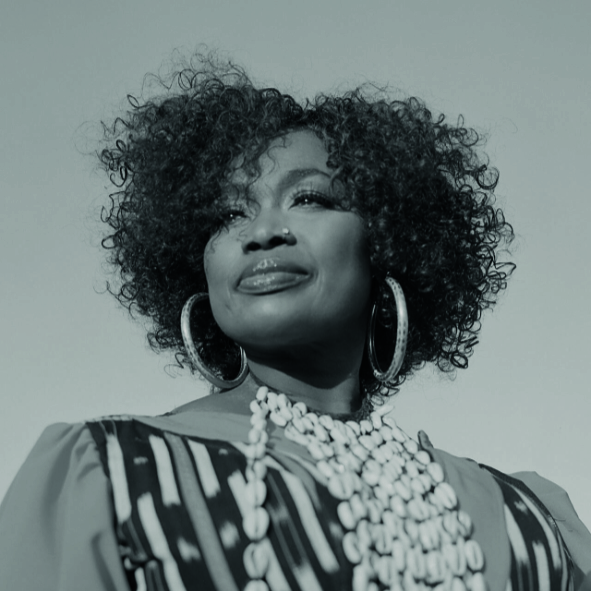
Combattante dans sa vie comme dans sa musique. Le wasoulou est pour moi un exemple de force vitale. Oumou Sangaré a su transmuter et transcender l’histoire de sa vie, sa force intérieure lui a permis d’exprimer sa mélancolie, sa joie, son espoir, sa rage. Tout est présent dans sa musique, avec une beauté et une profondeur d’âme remarquables. Sa musique peut faire danser, sourire, mettre en transe. C’est aussi une artiste qui dépasse les frontières, qui va à la rencontre de l’autre pour imaginer un monde différent, et qui ose créer du nouveau à partir de la tradition.
A fighter in her life as in her music. Wasoulou is, for me, an example of vital force. Oumou Sangaré has been able to transform and transcend her life story ; her inner strength has allowed her to express her melancholy, her joy, her hope, and her rage. Everything is present in her music, with remarkable beauty and depth of soul. Her music can make you dance, smile, and enter a trance. She is also an artist who transcends borders, who reaches out to others to imagine a different world, and who dares to create something new from tradition.
menu
gabriel
garcía
márquez
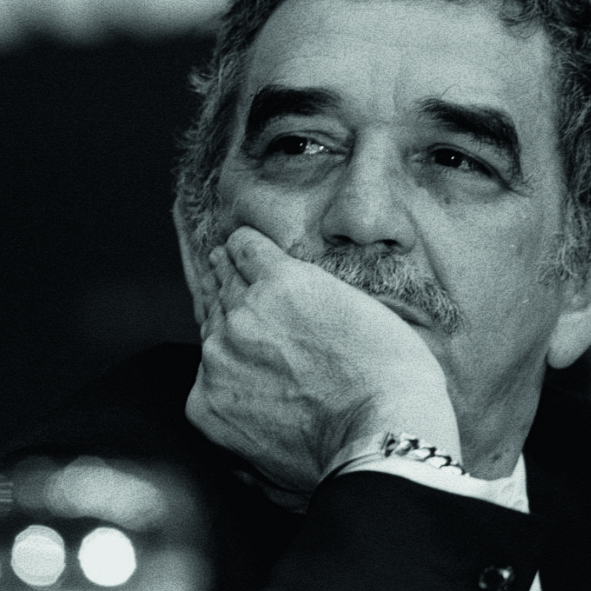
Écrivain colombien qui m’a profondément marquée, notamment avec Cent ans de solitude, que je perçois comme une fresque de la vie colombienne. On y navigue entre réalité et surnaturel ; par moments, on ne sait plus sur quel plan on se situe. L’imaginaire, le réel et le surnaturel n’y ont pas de frontières clairement définies. C’est aussi une écriture dotée d’une musique et d’une architecture implicites, à la fois dans le récit et dans la conception même de l’œuvre. Cent ans de solitude est une répétition incessante, un bourdon qui conduit un temps et un son cycliques, voués à s’éteindre dans une chute abyssale.
This Colombian writer had a profound impact on me, particularly with ‘One Hundred Years of Solitude’, which I see as a fresco of Colombian life. It navigates between reality and the supernatural ; at times, it is difficult to know which realm you are in. The imaginary, the real, and the supernatural have no clearly defined boundaries. His writing also has an implicit musicality and architecture, both in the narrative and in the very conception of the work. ‘One Hundred Years of Solitude’ is a relentless repetition, a drone that drives a cyclical time and sound, destined to fade away in an abysmal fall.
menu

sílvia
pérez
cruz
La première fois que j’ai entendu sa voix, j’ai eu la chair de poule. J’ai senti mes entrailles vouloir sortir. Ce sont ces moments où la musique réveille des choses dont on ne soupçonne même pas l’existence. Cela peut être profondément thérapeutique, mais aussi nous accompagner dans un trou noir, je reconnais là, le pouvoir immense de la musique et de l’art chez l’être humain.
The first time I heard her voice, I got goosebumps. I felt my insides wanting to come out. These are the moments when music awakens things we didn’t even know existed. It can be deeply therapeutic, but it can also take us into a black hole. I recognize the immense power of music and art in human beings.
menu

nidia
góngora
Chanteuse et compositrice colombienne. Elle est l’une de mes influences les plus importantes dans les musiques traditionnelles de la côte Pacifique de la Colombie. Femme profondément consciente de son rôle en tant qu’artiste et ambassadrice d’une tradition musicale longtemps restée méconnue dans notre propre pays, en raison de contextes politiques et d’un développement socio-culturel insuffisant pour valoriser notre patrimoine. Elle joue également un rôle essentiel de gardienne de cette tradition : elle a fondé une école afin d’en assurer la transmission aux nouvelles générations. Sa discipline et son dévouement ont permis à cette tradition afro-descendante d’être reconnue aussi bien au niveau national qu’international. Nidia Góngora a aussi su explorer différents styles musicaux tout en restant fidèle à ses racines. Une femme de pouvoir, une femme d’action.
Colombian singer and composer. She is one of my most important influences in traditional music from the Pacific coast of Colombia. She is deeply aware of her role as an artist and ambassador for a musical tradition that has long been overlooked in our own country due to political circumstances and insufficient socio-cultural development to promote our heritage. She also plays an essential role as guardian of this tradition : she founded a school to ensure its transmission to new generations. Her discipline and dedication have enabled this Afro-descendant tradition to be recognized both nationally and internationally. Nidia Góngora has also explored different musical styles while remaining true to her roots. A woman of power, a woman of action.
menu
andrea
caicedo
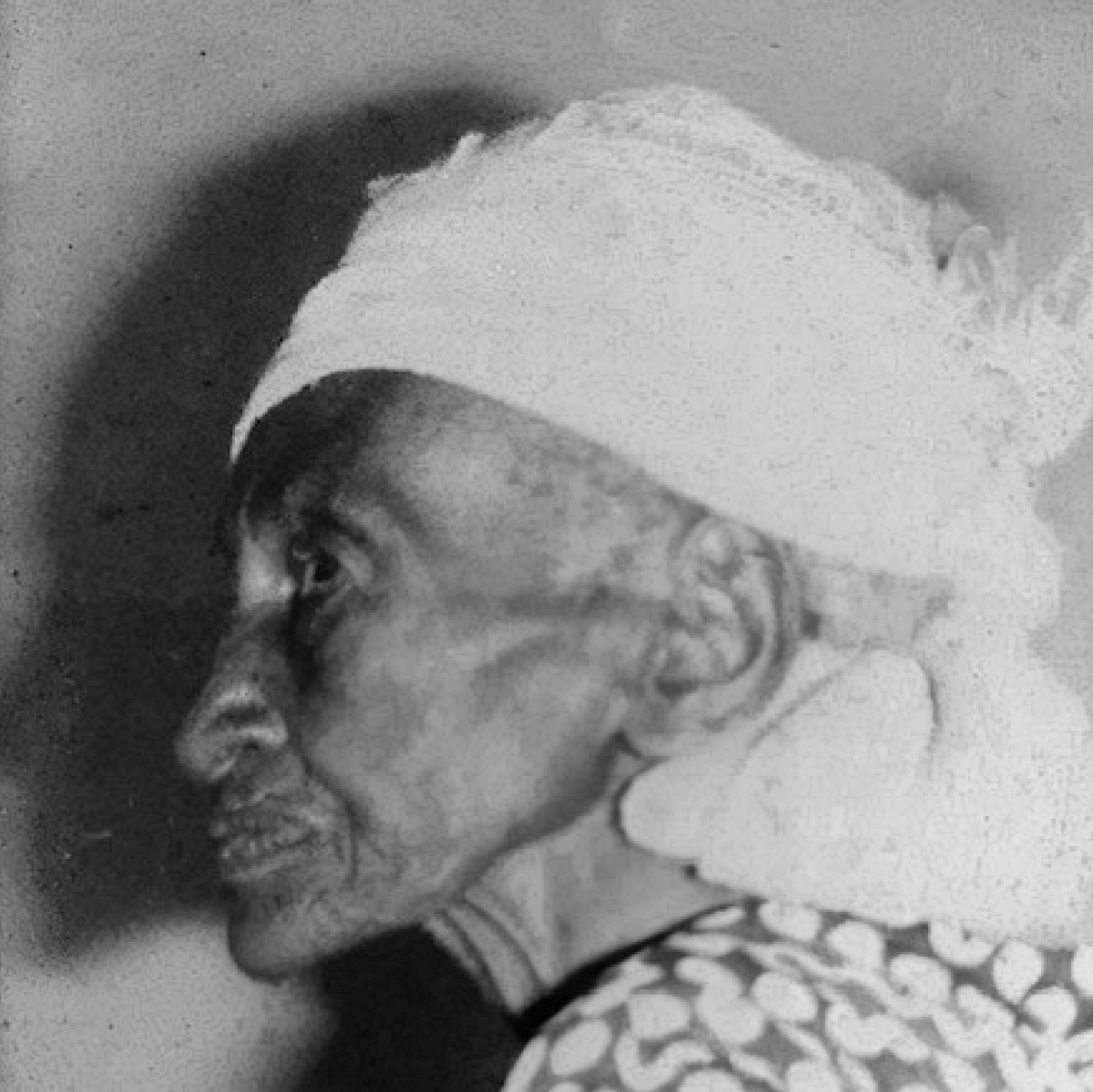
Mon arrière-grand-mère, morte à 106 ans, n’était pas une artiste au sens traditionnel, mais une artiste de la vie. S’il y a une personne qui a profondément marqué mon existence, c’est elle. Elle portait en elle une musicalité qui chantait la liberté, malgré l’esclavage qu’elle avait subi. Elle avait une marque d’esclave sur la jambe ; elle n’en a jamais parlé, mais le silence qu’elle portait en elle suffisait. C’était une femme d’action, d’une cohérence rare. Son sourire sans dents faisait chanter les oiseaux, et sa peau noire, couleur d’ébène, semblait avoir le soleil pour hôte. Elle était aussi une conteuse hors pair, une sorte de griotte colombienne, racontant des histoires toujours porteuses de morale, avec une pointe d’humour qui apportait fraîcheur, douceur et confiance.
This is my great-grandmother, who died at the age of 106, was not an artist in the traditional sense, but an artist of life. If there is one person who had a profound impact on my life, it was her. She carried within her a musicality that sang of freedom, despite the slavery she had endured. She had a slave mark on her leg ; she never spoke of it, but the silence she carried within her was enough. She was a woman of action, of rare consistency. Her toothless smile made the birds sing, and her ebony-colored skin seemed to host the sun. She was also an outstanding storyteller, a kind of Colombian griot, telling stories that always carried a moral, with a touch of humor that brought freshness, gentleness, and confidence.
menu
petrona
martínez
etelvina
maldonado
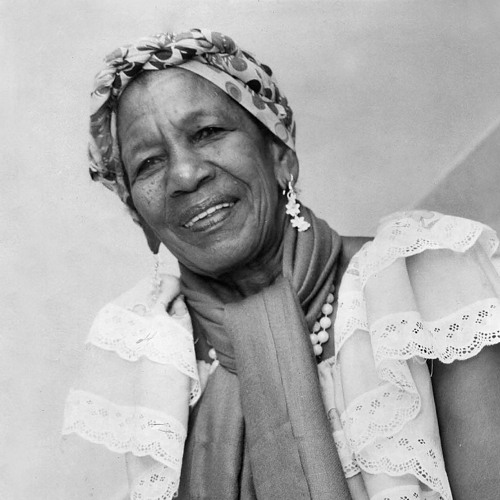
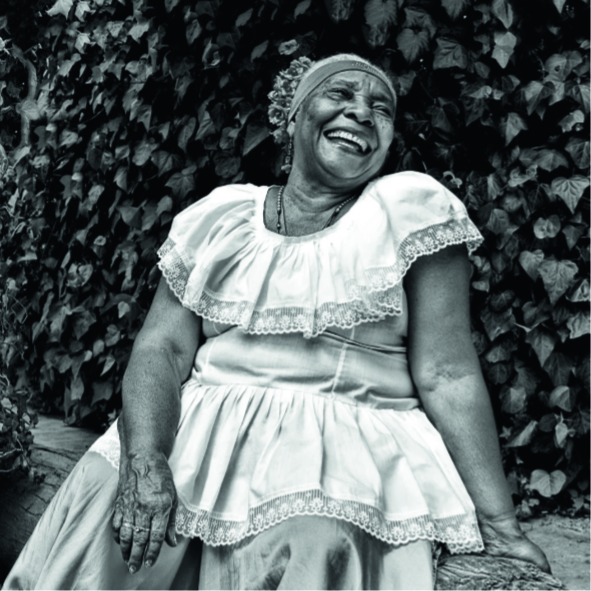
Je me permets de citer ces deux chanteuses de la côte Caraïbe de Colombie, icônes du bullerengue, danse chantée exclusivement par des femmes. Chez elles, la musique n’est pas un genre musical, mais une manière de vivre. Ce sont deux femmes dont la force se transmet de génération en génération, et dont les voix transpercent le temps. Leur voix, mais aussi leur rôle dans cette culture en tant que femmes rebelles, incarnent une revendication de liberté. Elles ont créé leur propre fête et leur propre musique parce qu’elles ne pouvaient pas assister aux bals du village. Cela peut sembler anodin, mais dans une société machiste, c’est un geste politique fort, une posture de résistance et d’émancipation
I would like to mention these two singers from the Caribbean coast of Colombia, icons of bullerengue, a dance sung exclusively by women. For them, music is not a musical genre, but a way of life. These are two women whose strength has been passed down from generation to generation, and whose voices transcend time. Their voices, but also their role in this culture as ‘rebellious women’, embody a demand for freedom. They created their own festival and their own music because they were not allowed to attend village dances. This may seem trivial, but in a macho society, it is a powerful political gesture, a stance of resistance and emancipation.
menu
cet article est paru dans le numero 8
de la version papier de ·pointbreak

écouter aussi
la sonothèque
de thibault cellier
retour
au menu
du matrimoine